

Discover the Rich Cultural Heritage of the Cham People
The Kate Festival 2026 in Khanh Hoa, Vietnam, taking place from October 9 to 11, offers a fascinating opportunity to discover the cultural heritage, spiritual traditions, and vibrant folk arts of the Cham people. Featuring sacred rituals at ancient Cham towers, traditional music and dance, community activities, and the first Bau Truc Cham Pottery Festival, this annual celebration highlights

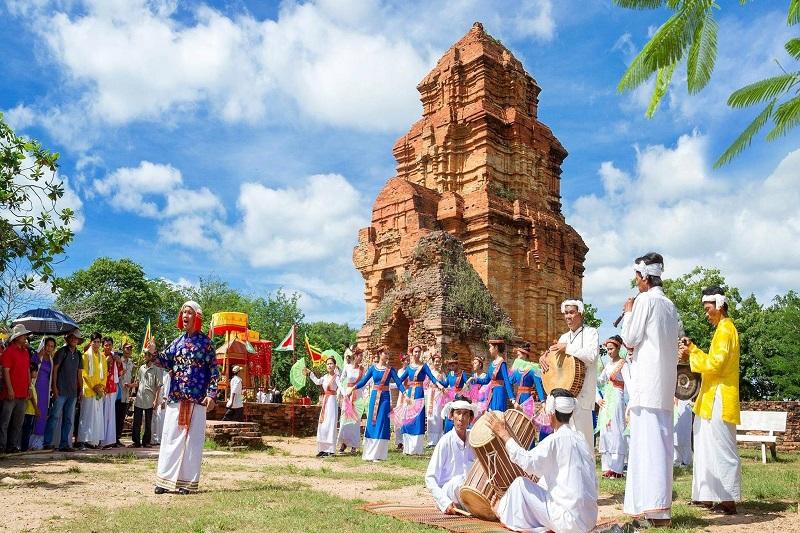
For travelers seeking authentic cultural experiences beyond Vietnam’s beautiful beaches, the Kate Festival is a meaningful way to explore the region’s history, traditions, and local communities.
1. Kate Festival – One of the Most Important Cham Cultural Celebrations
Kate is one of the most significant annual traditional festivals of the Cham Balamon community. In Khanh Hoa, the festival brings together families, communities, and visitors at historic Cham temples, towers, and villages.
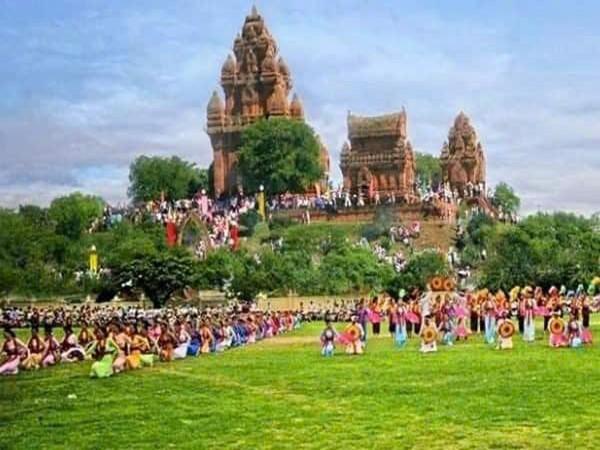
In 2026, key locations for the celebrations include Po Klong Garai Tower, Po Rome Tower, and Po Inu Nagar Temple.
The festival is an occasion for the Cham people to express their devotion to deities, honor their ancestors, and pray for favorable weather, abundant harvests, peace, and prosperity.
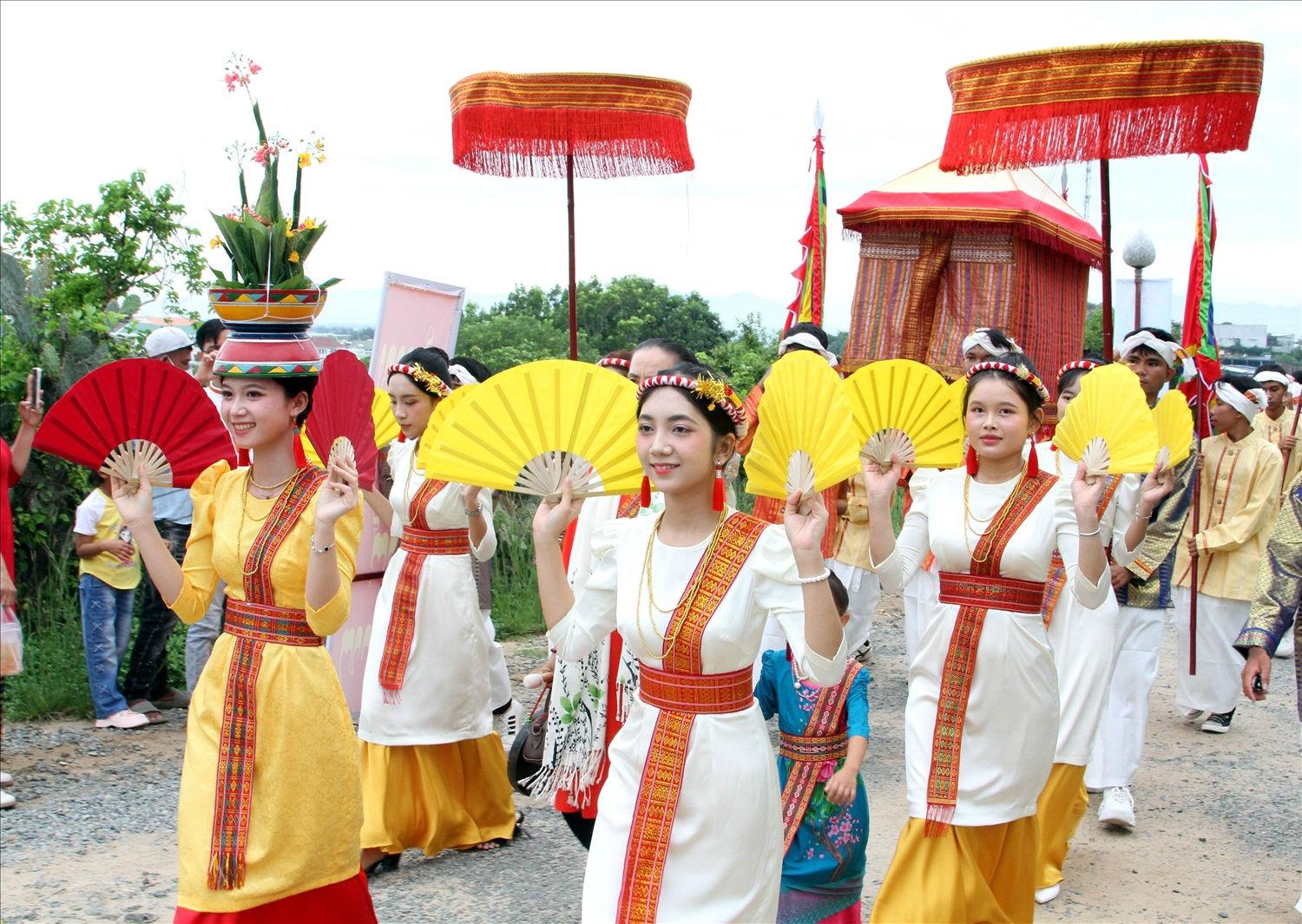
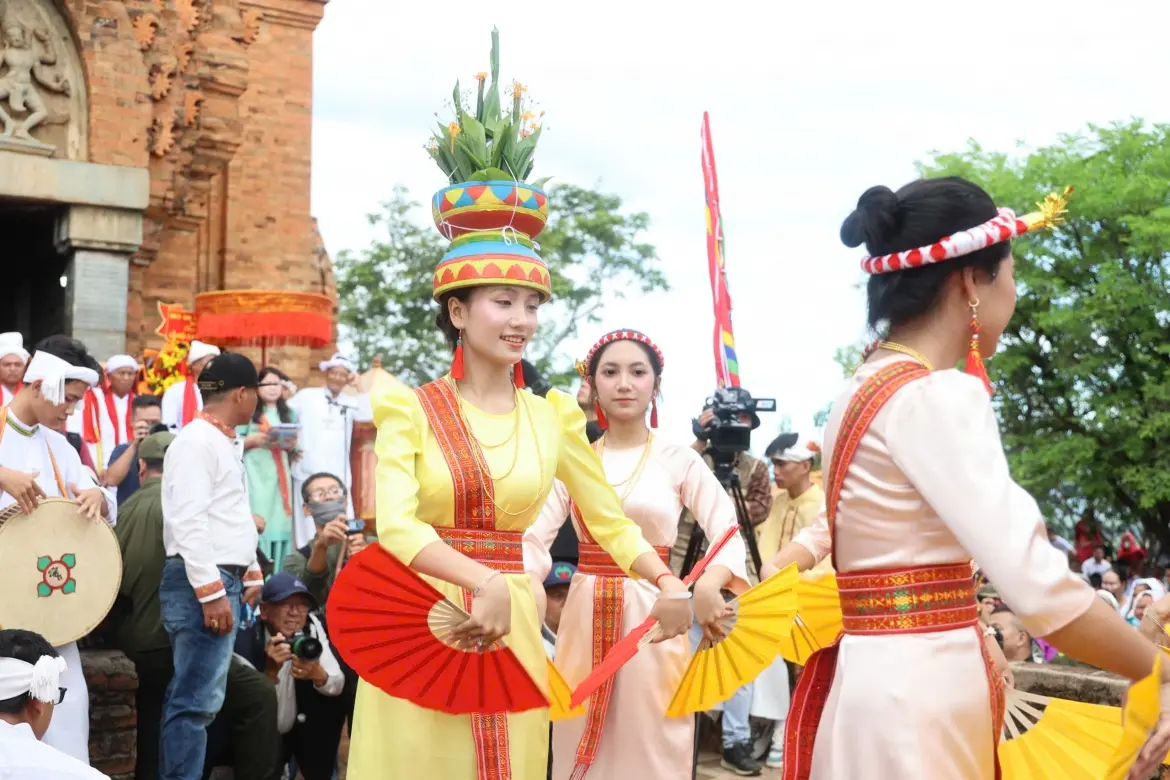
During the festival, traditional Cham costumes, ceremonial offerings, and community gatherings create a vibrant atmosphere that reflects the enduring connection between spirituality, family, and cultural identity.
2. Sacred Rituals at the Ancient Cham Towers
One of the highlights of Kate Festival 2026 is the series of traditional ceremonies held at the historic Cham towers.
At Po Klong Garai Tower in Do Vinh Ward, ceremonial activities reflect centuries-old religious practices and cultural traditions.
Important rituals include:
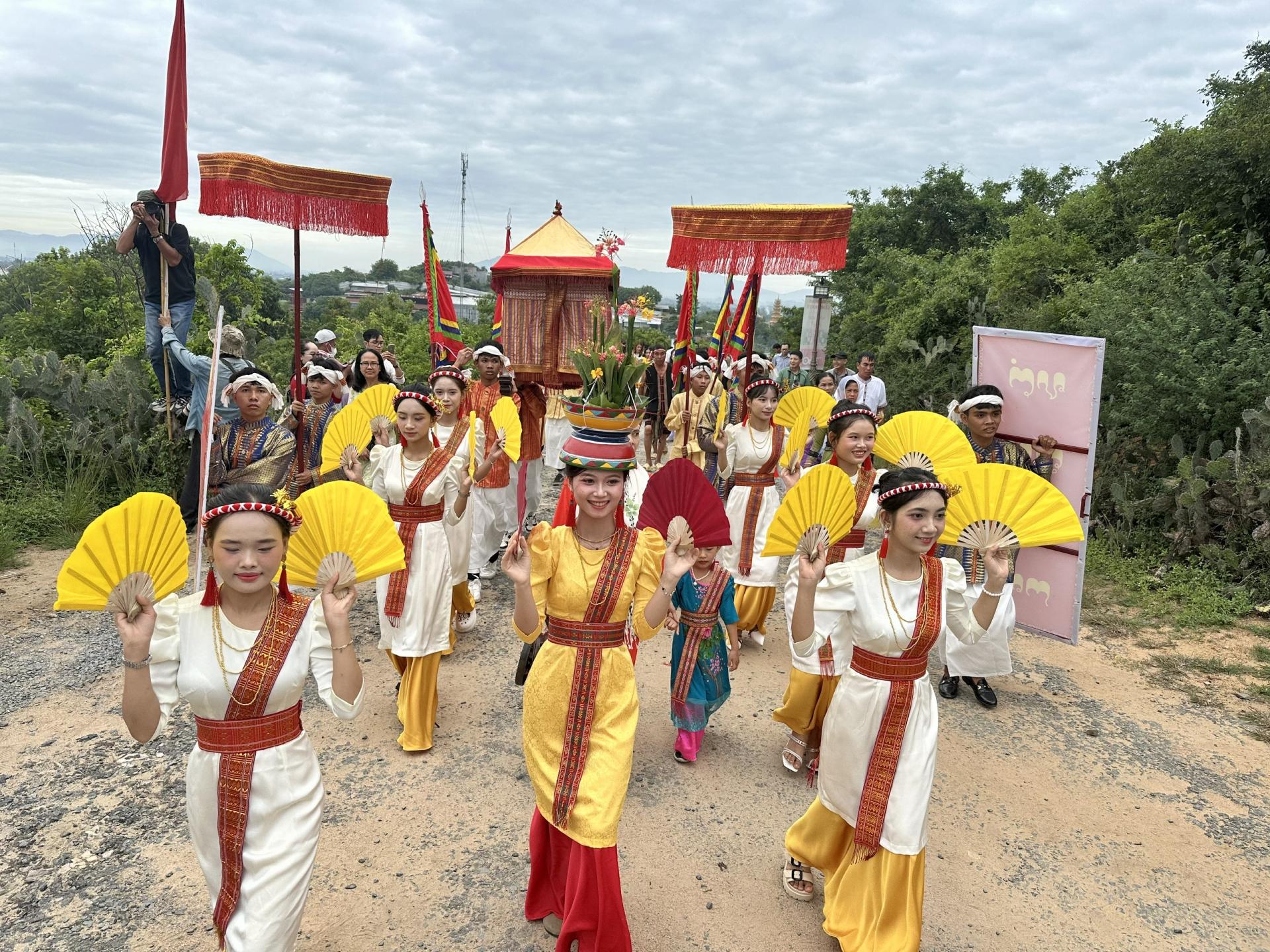
- Ceremonial procession of sacred garments: Bringing traditional garments to the place of worship in preparation for the ceremonies.
- Opening of the tower: A symbolic ritual marking the beginning of the religious observances.
- Ritual bathing of the deity's statue: An act of reverence and spiritual purification.
- Dressing the deity in sacred garments: A ceremony expressing devotion and respect.
- Offerings and prayers: Community members present offerings and pray for peace, happiness, and prosperity.
The sound of ginang and paranung drums, accompanied by the distinctive melodies of the saranai oboe, adds a powerful musical dimension to the ceremonies.
After the rituals at the towers, celebrations continue in Cham villages and family homes, strengthening community bonds and preserving traditional customs.
3. Traditional Cham Music, Dance, and Community Activities
Beyond the solemn religious ceremonies, the festival features lively cultural performances and community activities.
Traditional Cham dances, colorful costumes, folk songs, and indigenous musical instruments showcase the artistic heritage of the Cham people. These performances provide visitors with a closer look at the community's cultural expressions and everyday traditions.
The 2026 celebrations also highlight the Cham language and writing system through activities such as the traditional Cham calligraphy competition, themed “Bright Strokes – Preserving the Cham Spirit.”
Exhibitions featuring photographs, artifacts, traditional clothing, musical instruments, food culture, and handicrafts further enrich the festival experience.
For international visitors, these activities offer an opportunity to learn about the Cham people's history and cultural identity through direct encounters with their living traditions.
4. The First Bau Truc Cham Pottery Festival in 2026
One of the notable cultural highlights associated with the 2026 festival season is the first Bau Truc Cham Pottery Festival, celebrating one of the region's distinctive traditional crafts.
Located in Ninh Phuoc, Bau Truc is renowned for its traditional Cham pottery-making techniques, which have been passed down through generations.
Visitors can discover the pottery-making process, watch artisans shape clay by hand, explore traditional ceramic products, and appreciate the creativity and skills behind each handmade piece.
Cham pottery-making was inscribed on UNESCO's List of Intangible Cultural Heritage in Need of Urgent Safeguarding in 2022. This international recognition underscores the importance of preserving the craft and supporting the communities that continue to practice it.
By connecting the Kate Festival season with traditional craft experiences, Khanh Hoa offers visitors a richer cultural journey through Cham heritage, craftsmanship, and community life.
5. The Cultural Bond Between the Cham and Raglai Communities
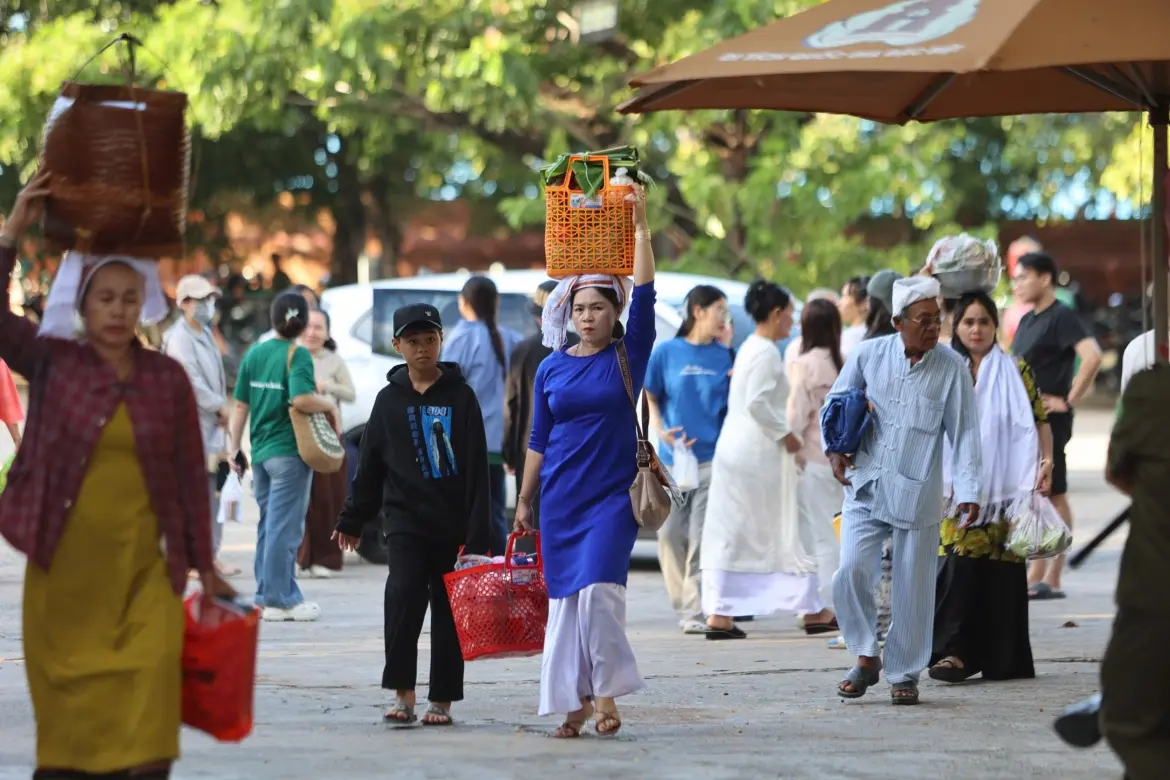
An important aspect of Kate Festival is the longstanding cultural relationship between the Cham and Raglai communities.
This relationship is reflected in traditional customs surrounding the safekeeping and ceremonial transfer of sacred garments associated with the goddess Po Inu Nagar.
According to local tradition, Raglai communities preserve the sacred garments and participate in their ceremonial transfer during the festival period. The practice represents trust, mutual respect, and a shared cultural heritage that has endured across generations.
During Kate, elders pass down customs and ceremonial knowledge to younger family members, while communities gather to honor their ancestors and celebrate their cultural identity.
These traditions demonstrate that Kate is not simply an annual festival. It is a living expression of cultural continuity, community solidarity, and the preservation of ancestral knowledge.
6. Kate Festival and Cultural Tourism in Khanh Hoa
Khanh Hoa is widely known for its beautiful coastline, beaches, and island experiences. However, the province also offers a rich cultural landscape shaped by its diverse communities and historical heritage.
The Kate Festival creates opportunities to develop meaningful cultural tourism experiences, connecting visitors with ancient Cham architecture, traditional music and dance, local handicrafts, and community life.
Travelers can combine visits to Po Klong Garai Tower and Po Rome Tower with cultural discoveries in Cham villages and pottery-making experiences in Bau Truc.
These experiences offer a deeper understanding of Vietnam's cultural diversity and provide alternatives to conventional beach holidays.
Sustainable cultural tourism should go hand in hand with heritage preservation. Respect for religious ceremonies, local customs, and community traditions is essential to ensuring that tourism supports rather than disrupts the cultural life of the Cham people.
7. Discover the Cultural Heritage of Khanh Hoa with Nha Trang Tre
Kate Festival 2026 offers a memorable opportunity to experience the living heritage of the Cham people through sacred rituals, traditional performances, ancient architecture, and distinctive handicrafts.
For travelers interested in cultural discovery, the festival reveals another side of Khanh Hoa: a destination where coastal beauty meets centuries of history, craftsmanship, and cultural diversity.
Nha Trang Tre celebrates the unique experiences that make Khanh Hoa more than a beach destination. Exploring Cham heritage and traditional craft villages allows visitors to connect with local culture and discover the stories that make this region special.
Plan your next journey to Nha Trang and Khanh Hoa to experience Vietnam's coastal landscapes, cultural heritage, and authentic local traditions.
Related Posts

Discover Nha Trang like a local on a 3-hour walking tour combining culture, history, and photography...

If you’re looking for a place with just the right amount of sunshine, peace, and culture, Nha Trang...

Nha Trang Tre Travel is a local Destination Management Company (DMC) based in Nha Trang, Vietnam. We...